



FormToyStudio
FAQ
DIY Model Kits FAQ | Assembly, Materials, Age Guide & Support
What are DIY Model Kits?
DIY model kits are creative assembly projects that combine craftsmanship, design, and hands-on building.
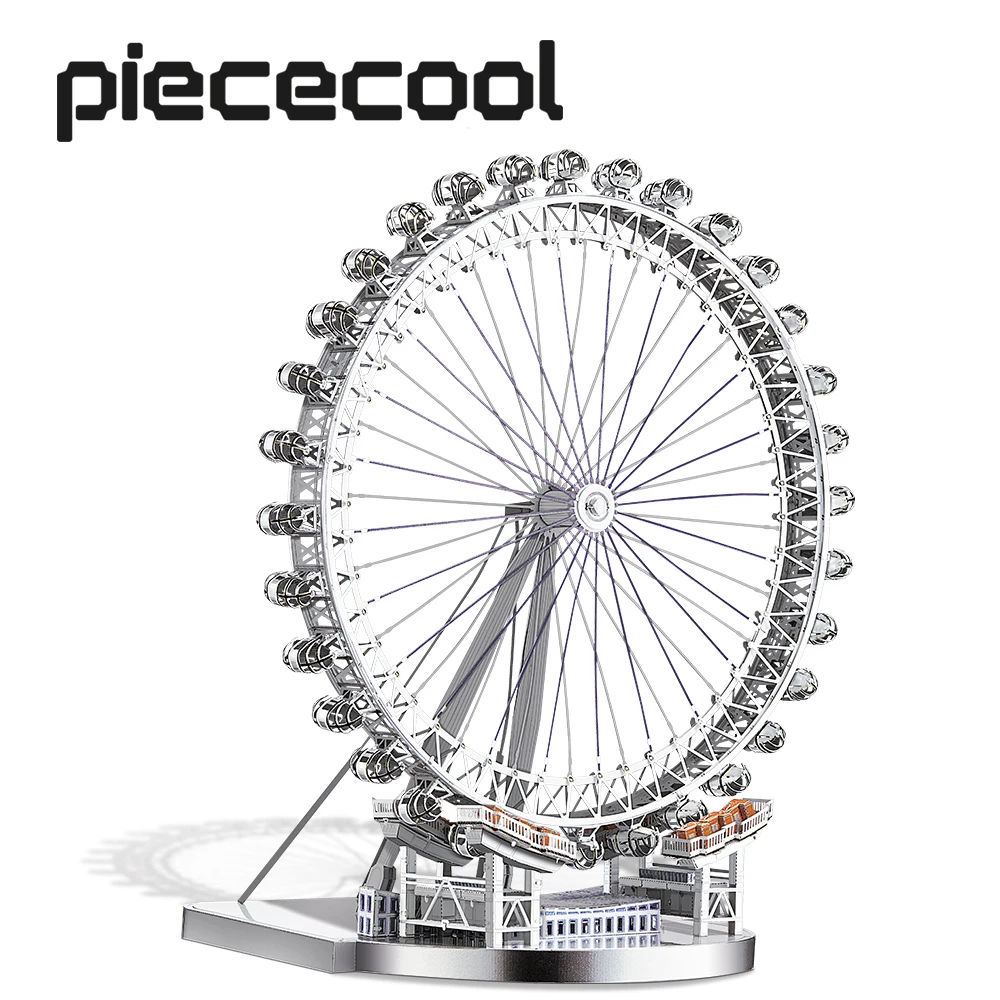
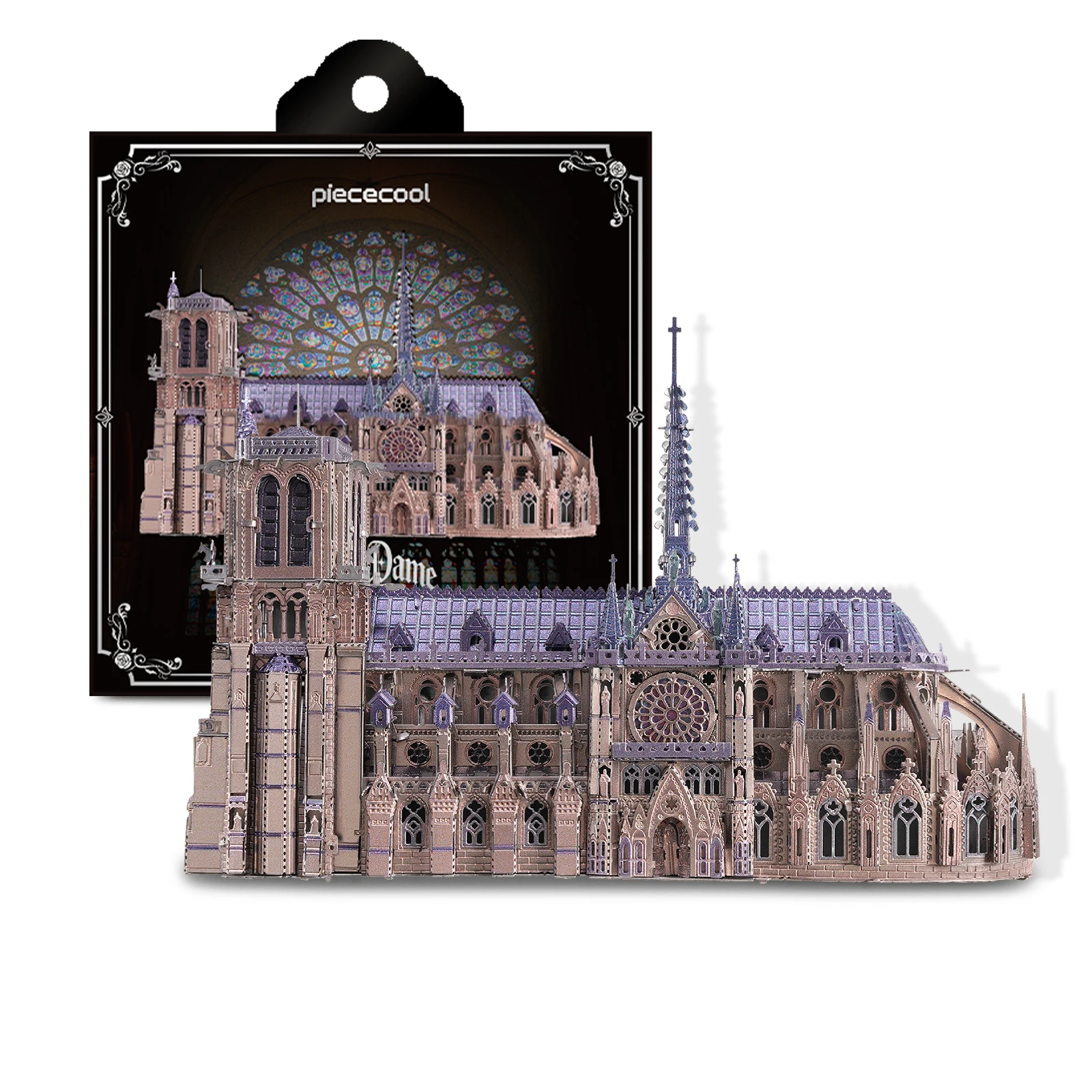
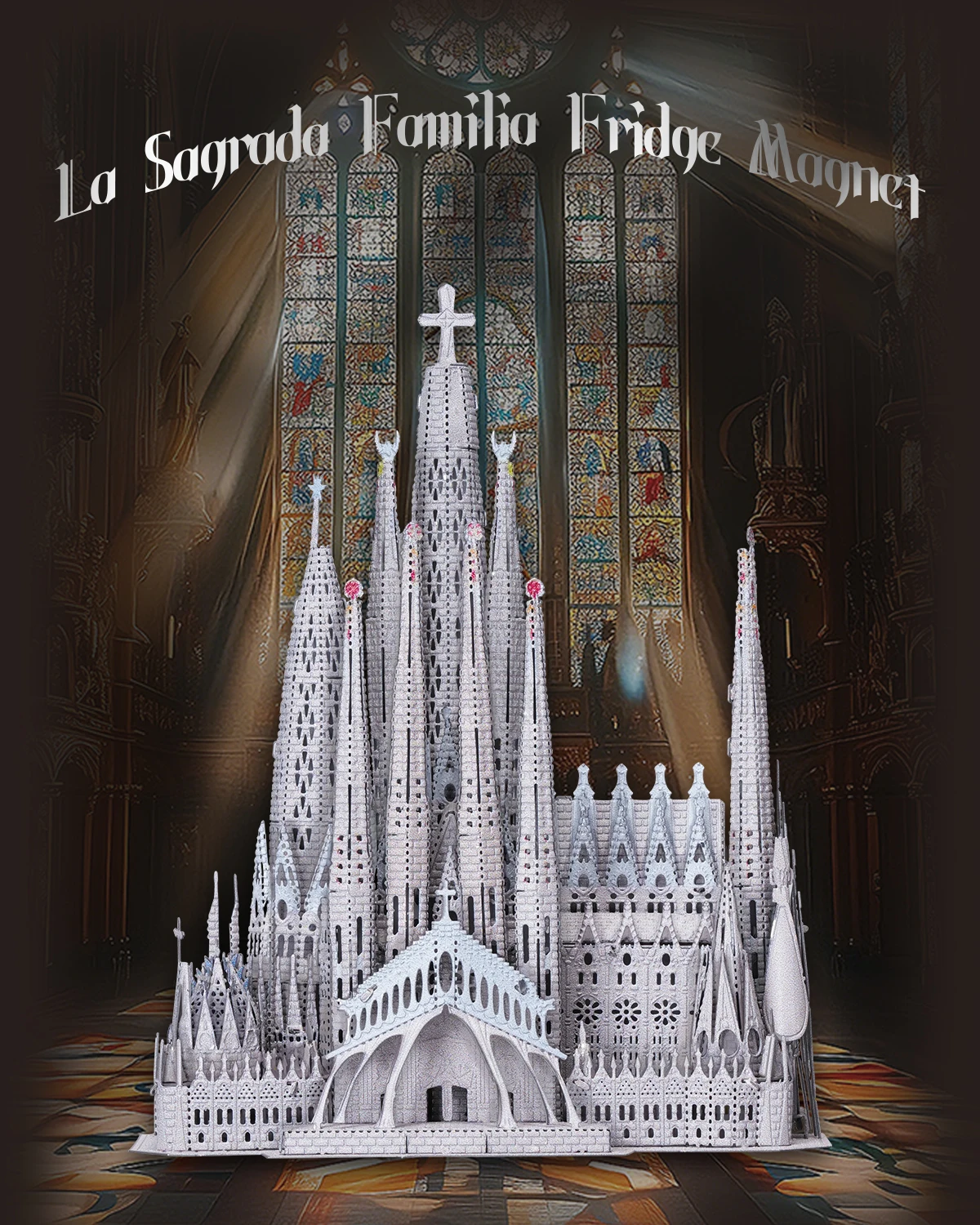
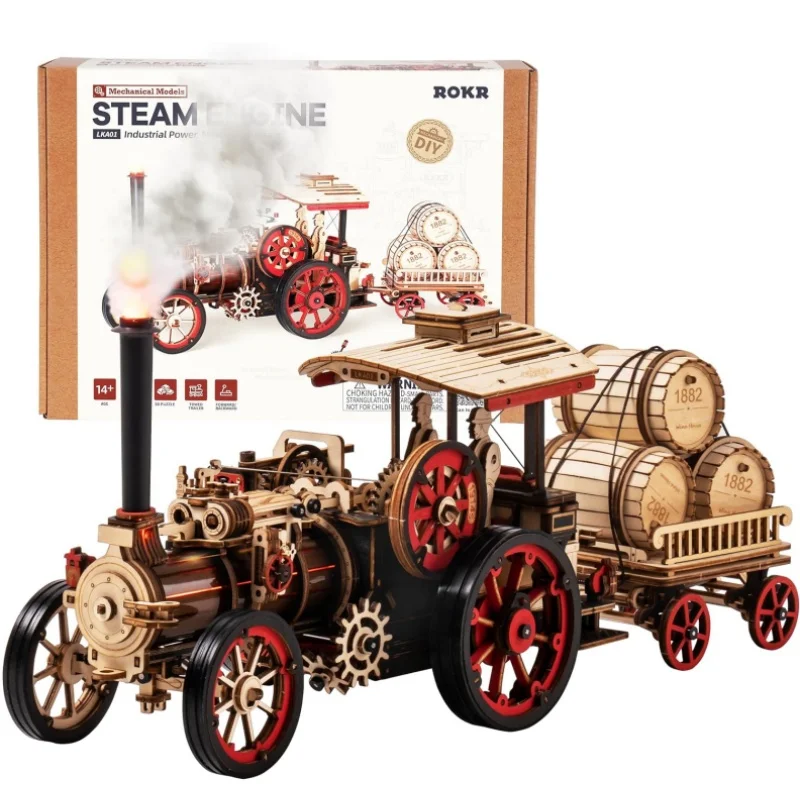
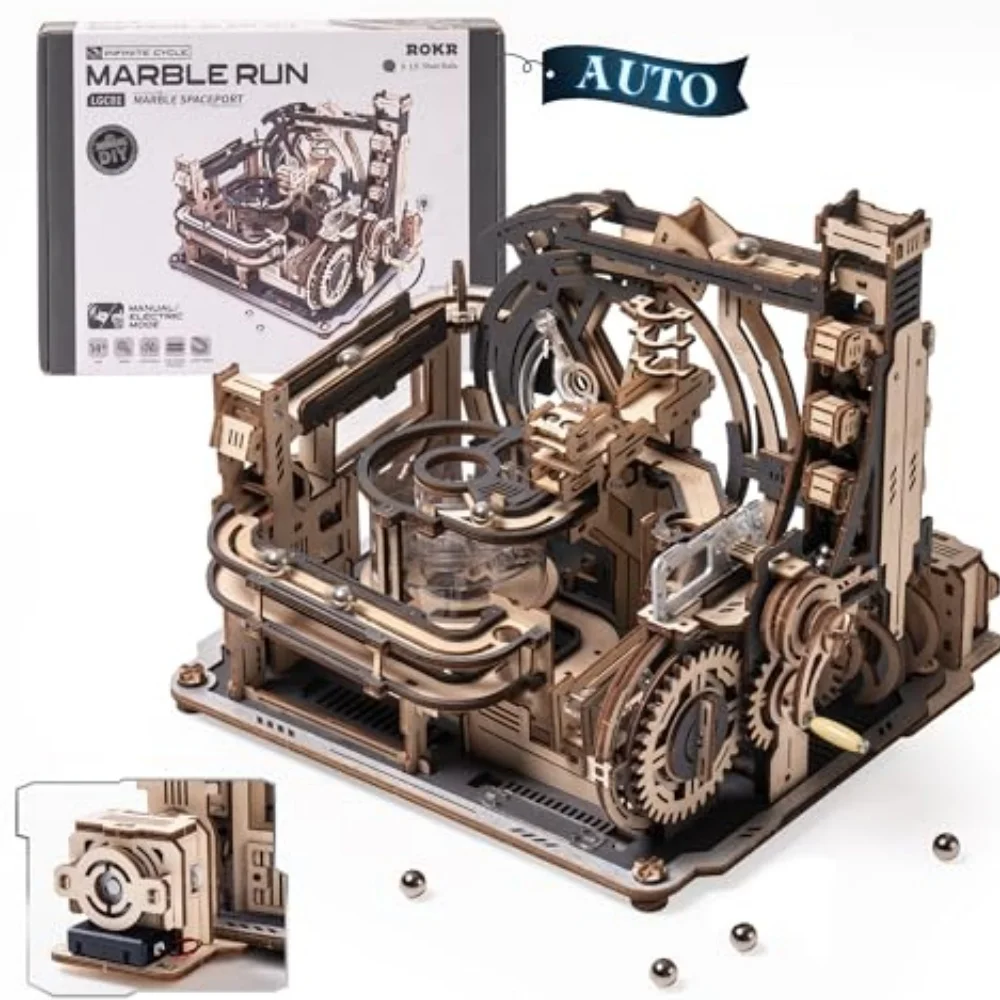
Our model kits include metal models, wooden puzzles, mechanical models, architectural models, and decorative craft models, allowing enthusiasts to transform individual components into detailed finished creations.
Each kit is designed with precision-made parts and clear assembly instructions. Depending on the model type, components may be assembled through:
- Metal tabs and slots
- Wooden interlocking structures
- Mechanical connection systems
- Precision-fitting components
No professional experience is required. Whether you are a beginner or an experienced hobbyist, DIY model building provides an enjoyable way to relax, create, and display your own handmade artwork.
What age group are these DIY models suitable for?
Most of our DIY model kits are recommended for teenagers and adults aged 14+.
Different models have different complexity levels, making them suitable for:
- Beginners exploring creative hobbies
- Adults looking for relaxing hands-on activities
- Experienced collectors seeking challenging projects
- Families who enjoy building together
Some advanced models may require more patience and detailed assembly skills. For younger builders, we recommend adult guidance to ensure a safe and enjoyable experience.
Building models together can also become a meaningful activity that encourages creativity, logical thinking, spatial awareness, and problem-solving skills.
Please check the specific product page for recommended age and difficulty information before purchasing.
Are the materials safe and environmentally friendly?
We carefully select reliable materials for our DIY model products.
Depending on the product category, materials may include:
- Quality wood for wooden puzzle models
- Metal sheets for metal assembly models
- Other carefully selected craft materials
Our products are designed to provide a safe and enjoyable creative experience.
Each model is produced with attention to material quality, structural stability, and user experience, making them suitable for hobby collections, creative projects, and decorative displays.
Are DIY models easy to assemble?
Assembly difficulty depends on the specific model.
Each product page provides information about:
- Recommended age
- Difficulty level
- Estimated assembly time
- Required tools
- Assembly instructions
Most models include detailed step-by-step instructions to guide you through the building process.
For beginners, we recommend starting with simple or intermediate models. More complex models are ideal for experienced builders who enjoy detailed craftsmanship and challenging projects.
The assembly process itself is part of the experience — allowing you to slow down, focus, and enjoy the satisfaction of creating something with your own hands.
What tools are needed for assembly?
The required tools depend on the model type.
For metal models, commonly used tools include:
- Side cutters or clippers
- Needle-nose pliers
- Tweezers
- Small shaping tools
- Cutting mat
For wooden models:
Most wooden puzzle kits are designed for easy assembly. Some complex models may require:
- Sandpaper for smoothing edges
- Glue (if specified)
- Basic craft tools
Please check the product description before assembly.
Preparing a comfortable workspace with good lighting will make the building process easier and more enjoyable.
Do wooden puzzle models have sharp edges or rough surfaces?
Our wooden models are manufactured using precision cutting techniques to minimize rough edges and improve assembly accuracy.
Due to the nature of wood materials, slight surface variations may occasionally occur.
If you find a small area that requires adjustment, gently smoothing it with fine sandpaper can help achieve a better finish.
Proper handling and careful assembly will help maintain the quality and appearance of the finished model.
Can DIY models be used as decorations?
Yes.
One of the biggest advantages of DIY model kits is that the completed project becomes a unique handmade decoration.
Finished models are suitable for:
- Living rooms
- Bedrooms
- Offices
- Study rooms
- Bookshelves
- Display cabinets
- Hobby collections
Unlike ordinary puzzles, these models can remain on display as personal achievements and collectible artworks.
Each finished piece represents your time, creativity, and craftsmanship.
What are the benefits of building DIY models?
DIY model building provides more than entertainment.
The process can help improve:
Concentration
Detailed assembly encourages patience and focus.
Creativity
Builders can explore design, structure, and artistic expression.
Problem-solving skills
Following assembly steps develops logical thinking and spatial understanding.
Hands-on ability
Working with small components improves coordination and attention to detail.
Relaxation
Many hobbyists enjoy model building as a calming activity away from digital screens.
DIY models combine creativity, learning, and craftsmanship into one rewarding experience.
How do I build a metal assembly model?
For metal models, we recommend:
Preparation
Before starting:
- Prepare a clean and well-lit workspace
- Read the instructions carefully
- Organize all parts
- Prepare necessary tools
Assembly Tips
- Remove parts carefully from the metal sheet
- Bend components slowly along the marked lines
- Avoid repeated bending to prevent damage
- Use tools for accurate shaping
- Assemble step by step according to the instructions
Patience is the key to achieving a clean and detailed final result.
What should I do if a part is damaged during assembly?
Don’t worry. Small mistakes can happen during DIY assembly.
If a component is accidentally damaged:
For metal models:
Possible solutions include:
- Carefully reinforcing the damaged area
- Using a small amount of suitable adhesive if necessary
- Adjusting the shape gently with tools
For wooden models:
You can:
- Check the assembly position
- Smooth the area if needed
- Use appropriate craft glue when required
Most minor issues can be repaired without affecting the final appearance.
The most important tip is to assemble slowly and avoid applying excessive force.
How should I store and maintain finished wooden models?
Wooden models should be kept:
- In a dry indoor environment
- Away from direct sunlight
- Away from excessive moisture
- Away from high temperatures
Avoid washing wooden models with water.
For long-term preservation:
- Use a soft cloth for cleaning
- Keep away from dust
- Display in a suitable indoor location
With proper care, your finished model can remain a beautiful collectible for many years.
How can I get customer support?
If you need assistance with:
- Product information
- Missing parts
- Assembly questions
- Order support
Please contact our customer service team:
Email: support@formtoystudio.com
We will provide assistance and help ensure you enjoy your DIY building experience.