







Mechanical Beauty, Engineering Logic, and Timeless Appeal
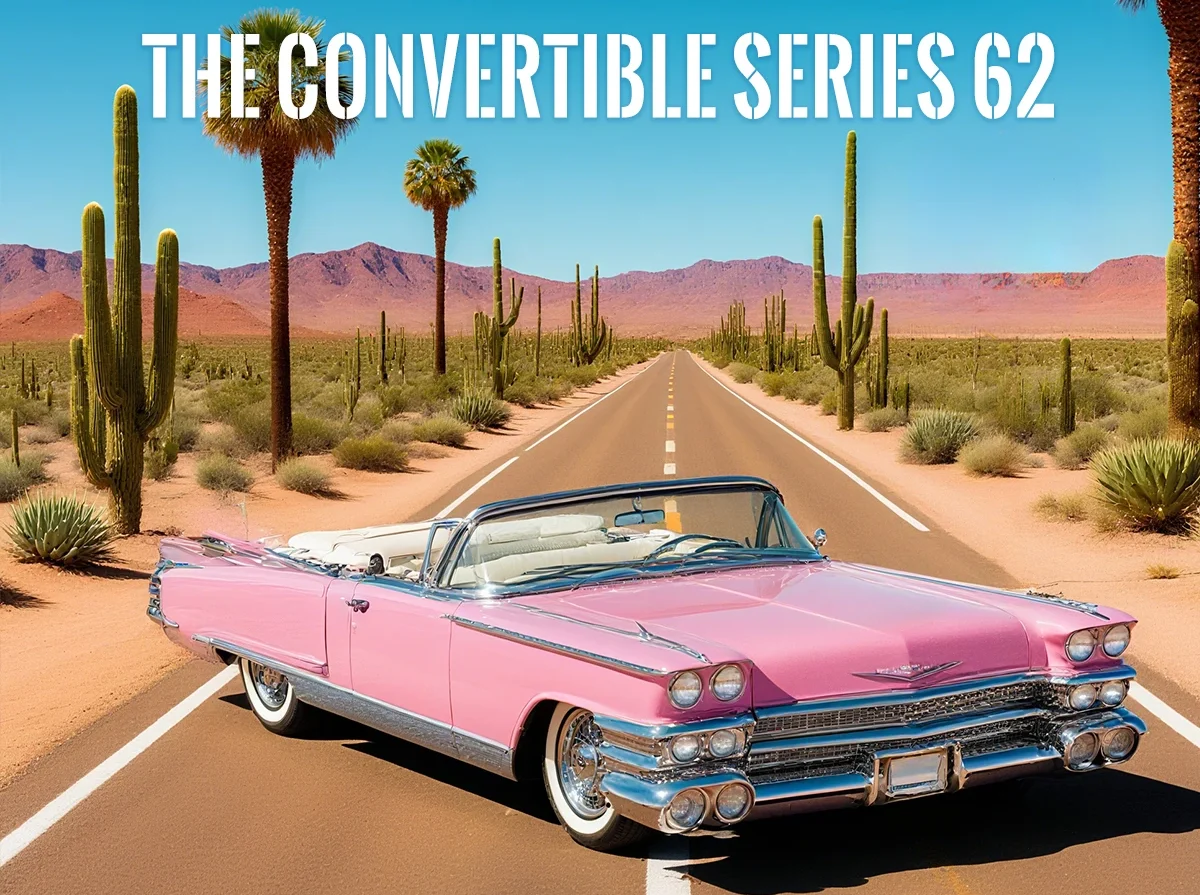
Classic European automobiles represent a golden age of engineering—an era when form followed function, and every line served a mechanical purpose. The Classic European Vintage Car metal puzzle captures this spirit with remarkable precision, translating automotive heritage into a structured, hands-on building experience.
This is not a nostalgic ornament.
It is a mechanical object, reduced to its essence and rebuilt in metal.
First Impression: Proportion and Discipline
From the moment the metal sheets are laid out, the model communicates restraint and balance.
There are no exaggerated curves or decorative excess. Instead, the design relies on proportion, symmetry, and clean mechanical lines.
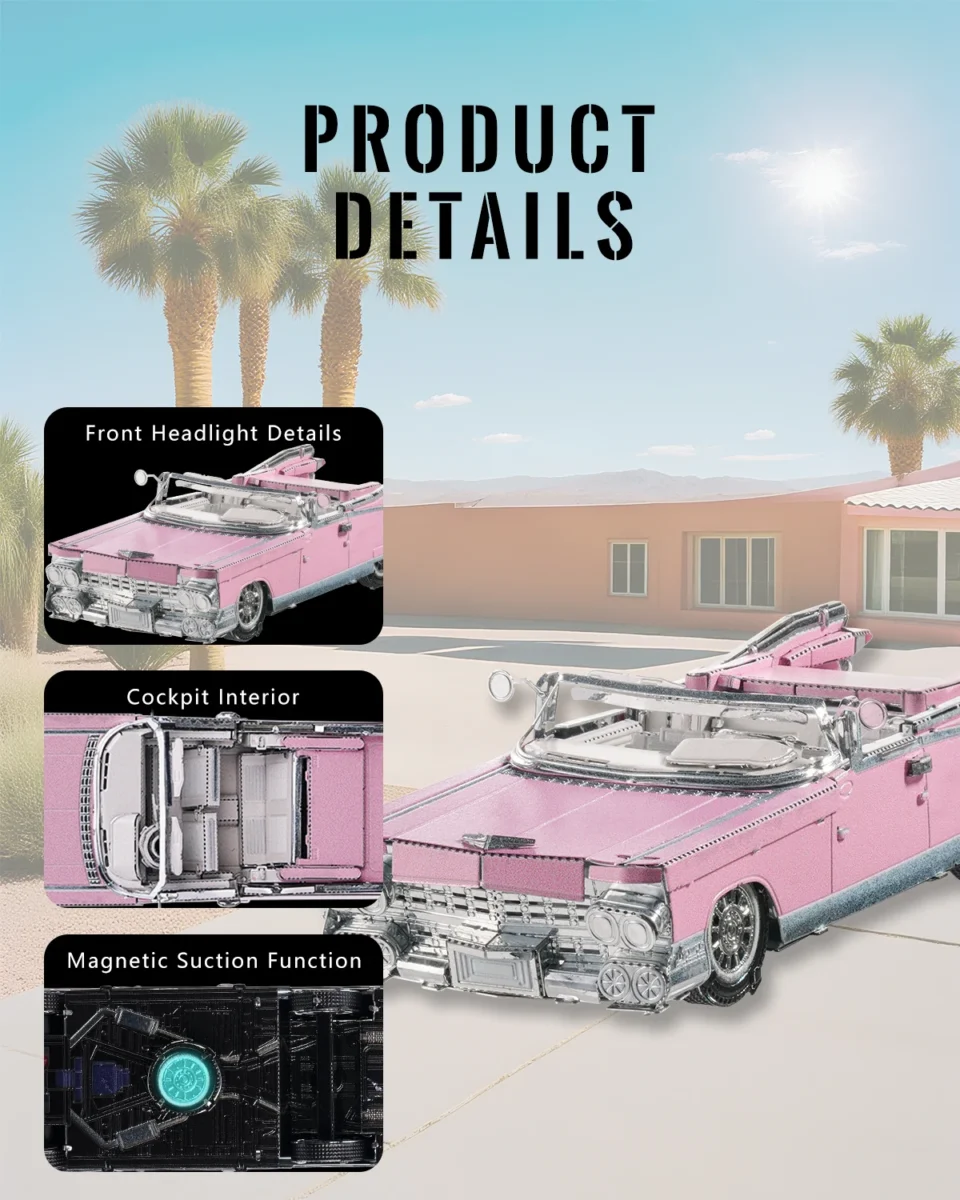
The etched parts reveal subtle details: body panels, grille structures, wheel arches, and chassis elements—all simplified but never abstracted. Everything feels intentional.
This model immediately appeals to anyone who appreciates classic European design philosophy.
Design Philosophy: Form Shaped by Function
The car’s design language reflects early European automotive engineering, where vehicles were built around:
Structural clarity
Mechanical accessibility
Honest materials
The metal puzzle does not attempt to mimic upholstery or paint. Instead, it highlights what matters most—the structure beneath the surface.
Visible layering and overlapping panels suggest:
Frame integrity
Mechanical order
Purpose-driven construction
It is this transparency that gives the model its authenticity.
The Assembly Process: Engineering in Motion
Chassis First: A Logical Foundation
The build begins with the chassis and underbody. This stage establishes alignment and wheel geometry, setting the tone for the entire model.
Connections are precise and consistent. Tabs fold cleanly, and parts align without adjustment. The process feels methodical, almost instructional—like following a mechanical drawing rather than solving a puzzle.
This stage rewards careful planning and reinforces the importance of sequence.
Body Construction: Controlled Complexity
As body panels are added, the model gradually gains character. Side panels, hood elements, and structural braces interlock to form a rigid shell that feels surprisingly robust for its scale.
The experience is deeply satisfying for builders who enjoy incremental progress. Each completed section locks into place with confidence, reinforcing the sense of mechanical logic.
Mechanical Aesthetics: Precision Over Ornament
What makes this model compelling is its restraint.
Instead of decorative flourishes, visual interest comes from:
Clean fold lines
Sharp intersections
Repeated geometric patterns
Wheels, axles, and body contours are simplified yet instantly recognizable. The car looks correct—not because of realism, but because of proportion.
This is mechanical beauty in its purest form.
Material & Build Quality: Designed to Last
The metal alloy performs exactly as expected for a mechanically focused model.
It supports tight folds, holds alignment well, and resists unwanted flex during assembly.
Once completed, the car feels solid and balanced. The weight distribution is even, and the structure maintains its shape without tension or distortion.
The finish is understated, allowing light to trace edges and surfaces naturally. Over time, the model reveals more depth through shadow and reflection.

The Build Experience: Focused and Rewarding
This is a build that encourages concentration rather than speed.
There is pleasure in repeating precise actions—cut, bend, secure—knowing that each step contributes to a larger mechanical whole.
The experience appeals particularly to:
Engineers and designers
Automotive enthusiasts
Builders who enjoy order and logic
There is a quiet satisfaction in watching the vehicle take form, one functional section at a time.
Completion: A Collector’s Object
When the final body component is secured, the model presents itself as a complete object—balanced, grounded, and composed.
It does not demand attention.
It earns it.
Placed on a shelf or desk, the car communicates craftsmanship and taste. It invites closer inspection and rewards it with detail and proportion.
This is where the model truly becomes a collector’s piece.
Display & Long-Term Value
The Classic European Vintage Car fits naturally into:
Design-focused interiors
Office spaces
Automotive collections
Mechanical or architectural displays
Its timeless form ensures it will not feel dated. Instead, it acts as a quiet reference to an era when engineering and aesthetics were inseparable.
Final Recommendation
The Classic European Vintage Car metal puzzle is highly recommended for builders who value:
Mechanical structure
Engineering clarity
Timeless European design
Display-worthy craftsmanship
This is not a puzzle designed to impress quickly.
It is designed to be appreciated over time.
For anyone who finds beauty in machinery, this model delivers a deeply satisfying and enduring experience.